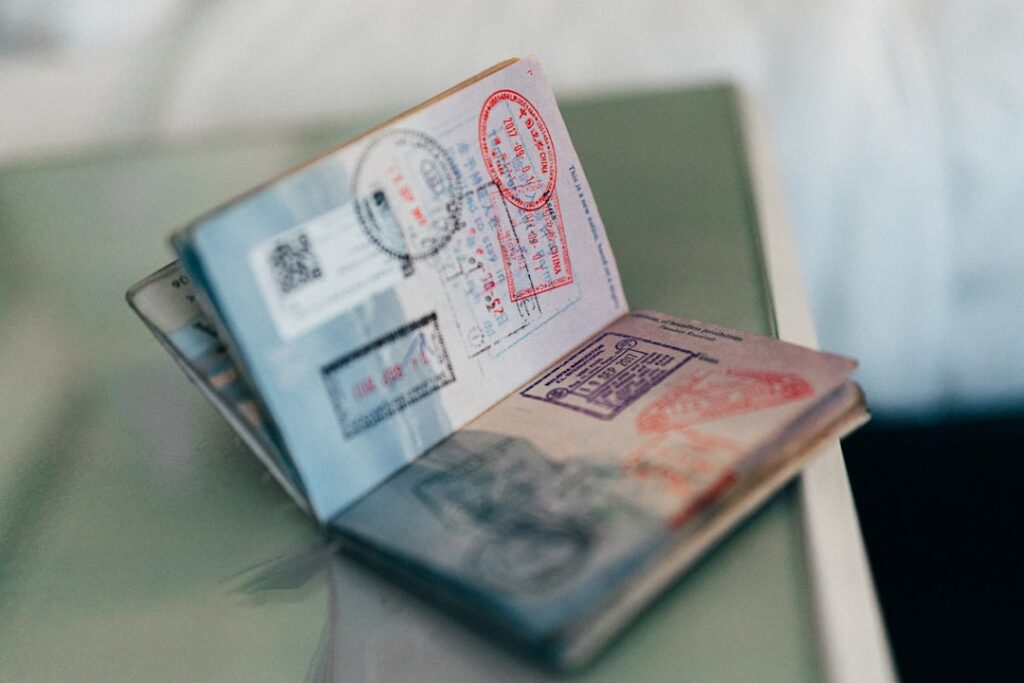
For many foreigners planning to work in Poland, and for employers intending to hire talent from abroad, the distinction between a work permit and a work visa is one of the most important practical issues at the very beginning of the process. These two concepts are often used interchangeably in everyday language, yet under Polish law they serve different functions and involve different procedures. A clear understanding of these rules helps reduce the risk of formal mistakes, delays, and complications affecting both employment and legal stay.
This topic is especially relevant in large cities such as Warsaw, where international recruitment is common and administrative requirements often intersect with broader legal concerns. In some situations, problems related to legal employment may also develop into more serious matters, including administrative penalties or even issues examined through the lens of prawo karne or a wider compliance review. For that reason, foreign employees and employers often look not only for general information, but also for reliable legal guidance before choosing a law firm.
The article below explains the difference between a work permit Poland procedure and a work visa, outlines the most important permit types, and discusses key changes introduced in 2025. As with any legal matter, each case requires individual analysis, particularly where employment, migration status, documentation, and possible liability overlap.
What Is the Difference Between a Work Permit and a Work Visa in Poland?
The basic distinction is simple: a work permit authorises a foreigner to perform work in Poland, while a visa authorises entry and stay for a defined purpose, which may include work. In practice, this means that obtaining one document does not automatically replace the other.
A work permit Poland usually refers to an administrative decision allowing a foreign national to work legally for a specific employer, under defined conditions. The most common form is the type A work permit, used when a foreigner is employed by an entity based in Poland. The permit specifies, among other things, the employer, position, remuneration, working time, and the basis for employment.
By contrast, a national visa, commonly type D, is primarily a document allowing the foreigner to enter Poland and stay there for a longer period than would normally be possible under a short-stay visa or visa-free regime. A type D visa issued for work purposes is often based on prior employment-related documentation, such as a work permit or another document authorising work, depending on the specific legal basis.
In short, the work permit concerns the legality of employment, while the visa concerns the legality of entry and stay. In some cases, a foreigner may also work on the basis of a temporary residence and work permit, so the correct path depends on nationality, planned duration of stay, and the nature of the employment relationship.
Type A Work Permit and Other Work Permit Categories
The type A permit is the form most frequently discussed when employers in Poland hire foreigners directly. It applies where the foreign employee performs work in Poland on the basis of a contract with an employer whose registered office, place of residence, branch, plant, or other organised form of activity is located in Poland. For many businesses in Warsaw and other major cities, this is the standard route.
Polish regulations also provide for other permit categories, used in more specific organisational situations. These may apply, for example, when a foreigner performs a function on a management board for a period exceeding a total of 6 months within the following 12 months, is delegated by a foreign employer to Poland, or performs services of a temporary or cross-border nature. The exact classification matters because the application requirements and legal assessment may differ depending on the permit type.
From a practical standpoint, the type A permit remains the key reference point for most ordinary employment cases. It is also the category most often associated with the phrase work permit Poland in online searches. Even so, the choice of permit should never be based only on a general label. The actual structure of employment, the place where work is performed, and the corporate relationship between entities all need to be assessed carefully.
If a mistake is made at this stage, the consequences may go beyond immigration formalities. Incorrect employment arrangements can trigger inspections, fines, and in more complicated situations may become relevant in proceedings concerning employer liability. Where the facts suggest document irregularities, sham employment, or unlawful entrustment of work, legal advice may require not only an immigration perspective but also support from a prawnik karny or an adwokat karny, especially if a potential sprawa karna or administrative-penal issue is being considered.
Who Applies, How Long It Takes, and What Costs Should Be Expected?
In the case of a work permit, the application is generally filed by the employer, not by the foreign employee. This is an important distinction. The employer initiates the procedure before the competent authority and must provide documents concerning the company, the employment terms, and the foreigner’s planned work. The employee is, of course, directly affected by the decision, but the formal applicant is usually the hiring entity.
For a type D visa, the application is typically submitted by the foreigner at the relevant Polish consulate or visa centre abroad. The visa procedure therefore runs separately from the work permit procedure, although in practice the two are often closely connected.
Processing times can vary depending on the authority, the completeness of the documents, and the workload of the office. In high-demand locations such as Warsaw, administrative timelines may be affected by the volume of applications and the complexity of the case. It is therefore sensible to treat any estimated waiting period as approximate rather than guaranteed. Delays often result from missing documents, inconsistencies in contracts, or uncertainty about the proper legal basis.
Costs also depend on the type of permit and the duration of work. Official fees apply to the work permit application, while separate consular or visa-related fees may arise for the type D visa. Additional expenses may include sworn translations, document legalisation, or professional konsultacja prawna where the matter requires more detailed review. Because regulations and fee schedules may change, the current official rules should always be checked before filing.
Key Changes in 2025: Digital Procedures, New Reporting Duty, and the End of the Labour Market Test
Important changes affecting the employment of foreigners in Poland entered into force on 1 June 2025. One of the most significant developments is the digital handling of procedures through official online systems, including praca.gov.pl. This means that the administrative process is increasingly moving into an electronic environment, which may improve efficiency but also requires careful handling of online submissions, deadlines, and attachments.
Another major change is the introduction of an obligation to submit copies of certain contracts concerning the employment of a foreigner through the IT system within 7 days from the start of work. Failure to comply with duties under the new rules may result in financial penalties, but the exact amount depends on the legal basis and circumstances of the breach, so it should not be reduced to one fixed fine in every case. For employers, this is not merely a technical requirement. It becomes part of the broader compliance framework surrounding the legal employment of foreigners.
At the same time, the labour market test has been abolished. In practice, this means that the previous need to obtain starosta information on the impossibility of meeting staffing needs on the local labour market no longer applies in the earlier form for work permit proceedings. This may simplify procedures, but it should not be interpreted as a general relaxation of all obligations. The authorities may still verify whether the employment is genuine, whether the offered conditions meet legal standards, and whether the employer complies with documentation rules.
These changes are particularly important for companies operating in Warsaw, where international hiring is common and formal oversight can be intense. In a large urban market, legal issues often arise not from the lack of business need, but from procedural oversight. Where an inspection identifies breaches, the matter may require support not only in employment or migration law, but also in areas touching on postępowanie karne or defence strategy if allegations become more serious. In such situations, a specialised kancelaria karna may be consulted alongside other legal professionals.
When Employment and Immigration Problems May Turn Into Legal Risk
Most work permit and visa issues are administrative in nature. However, employers and foreign workers should be aware that some situations can create broader legal exposure. This may happen, for example, where a foreigner starts work before the required authorisation is obtained, where the actual terms of work differ from those stated in the permit, or where documentation submitted to authorities is inaccurate or incomplete.
Not every irregularity leads to a criminal case, and no automatic conclusion should be drawn from a procedural mistake. Still, in more serious circumstances the facts may attract attention beyond standard administrative review. If there are allegations concerning unlawful employment practices, forged documents, false statements, or deliberate circumvention of regulations, the matter may require defence planning similar to that seen in a sprawa karna. At that point, legal support may involve both immigration counsel and a specialist in obrona w sprawie karnej.
This is one reason why the choice of lawyer matters, particularly in a city such as Warsaw. Large metropolitan areas tend to generate more cross-border employment cases, more inspections, and more legally complex disputes. A person seeking advice should look for a professional who communicates clearly, analyses documents carefully, and understands how administrative, employment, and criminal-law threads may intersect. A thoughtful konsultacja prawna at an early stage often helps clarify which risks are real and which are only apparent.
How to Approach Legal Assistance in Warsaw
Warsaw is a natural centre for international business, foreign employment, and legal services. That creates both opportunity and complexity. A foreign employee trying to regularise stay and work, or an employer facing uncertainty about compliance, may need more than a simple document checklist. What often matters most is an individual assessment of the factual situation, including the employment model, the timing of entry into Poland, and any previous filings made before public authorities.
Where the case includes possible inspection proceedings, allegations of irregular documentation, or concerns about liability, it may be sensible to speak not only with an immigration adviser but also with a prawnik karny or adwokat karny. This does not mean that every permit issue becomes a criminal matter. It means only that in a large city, where many areas of law overlap, the right legal perspective should be selected early and carefully.
Anyone comparing law firms in Warsaw should focus on experience with complex fact patterns, clarity of communication, and a realistic explanation of risks. Neutral, reliable legal guidance is particularly important where the client needs to understand both procedure and possible consequences, without exaggerated promises or overly simplistic answers.
FAQ – Poland Work Permit vs Work Visa
Is a work permit the same as a work visa in Poland?
No. A work permit legalises employment, while a national visa, often type D, legalises entry and stay for a specified purpose. In many cases both are relevant, but they are separate legal instruments.
Who files the application for a type A work permit?
As a rule, the employer files the application for a type A work permit. The foreign employee is the person who will work on that basis, but the formal applicant is generally the employing entity in Poland.
What changes from 1 June 2025 should employers remember?
The key changes include the entry into force of new rules on employing foreigners, broader digital handling of procedures, new reporting and document-submission duties through ICT systems, and the abolition of the labour market test. Each case should still be reviewed individually to confirm which rules apply and what sanctions may arise in the event of non-compliance.
Can problems with foreign employment lead to criminal-law issues?
Sometimes they can, although not every irregularity has that character. If the case involves allegations such as false documents, unlawful entrustment of work, or other serious breaches, the matter may require analysis from the perspective of prawo karne and possible postępowanie karne.
Summary
The difference between a work permit and a work visa in Poland is fundamental: one concerns the right to work, the other concerns the right to enter and stay. For most standard employment cases, the employer applies for a type A permit, while the foreigner usually applies separately for a type D visa if needed. With the 2025 reforms introducing broader digital procedures, new reporting duties, and the removal of the labour market test, careful compliance has become even more important.
Where employment formalities overlap with inspection risk or possible liability, an individual legal assessment is advisable. For readers who also want to compare professionals handling more serious legal matters in the capital, it may be helpful to review a ranking of adwokatów karnych w Warszawie before choosing the right kancelaria karna for a consultation.